How the IPL Has Changed Cricket Recruitment in India
Since its inauguration in 2008, the Indian Premier League has reshaped cricket beyond its wildest expectations. It has attracted superstars from across the globe, hugely increased the earnings cricketers can expect, and inspired a revolution at every level of the sport in its home country.
Looking back almost 20 years later, we consider how cricketing recruitment in India has been reshaped by the IPL.


How the IPL Took the Limelight From the ECB
After the England and Wales Cricket Board (ECB) introduced professional T20 cricket in 2003, the new, shorter format attracted a lot of attention worldwide. This included the Board of Control of Cricket in India (BCCI), which chose T20 as the natural format for its new, fast-paced league format that it announced in 2007.
T20 cricket had been partly intended to reinvigorate a stagnating county cricket scene in England. Instead, it could be argued that the IPL profited the most from the introduction of T20, while the format’s popularity actually continued contributing to the decline of interest in English county cricket. Meanwhile, in India, the IPL was creating an entire generation of cricketers who might never have had the exposure or resources to play professionally before.
The Big Changes Since the IPL Began
The IPL is one of the most successful gambles in sports history. The BCCI adopted the American sports franchise system with great success and didn’t rest on its laurels. The IPL negotiated increasingly lucrative broadcasting contracts and brought top players in from across the world, effectively making India the global centre of T20 sports viewership. This was a stunning coup, even in a country where cricket has historically enjoyed wild levels of popularity.
Changing the Image of Cricketers
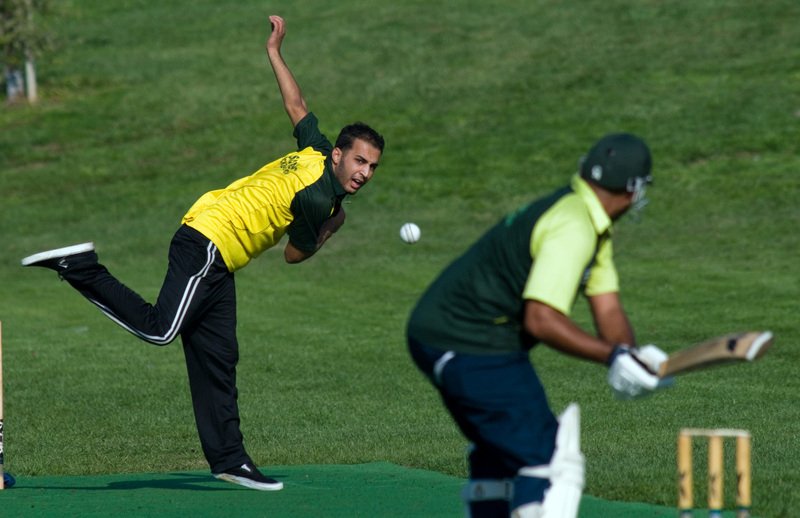
The enthusiasm of Indian audiences, combined with the vast earning potential of the IPL, suddenly turned cricketers into rock stars. The rapid, high-stakes T20 format enabled large audiences to engage with the sport in a way that is hard to sustain even in one-day limited overs matches, let alone marathon Test matches.
Huge Increase in Funding From Broadcasting Rights
The format was also much more appealing to broadcasters for the same reason. In 2023, the broadcasting rights to the IPL were sold to Viacom18 (streaming) and Star Sports (television) for a reported combined $6.4bn. The rights were valued at just over $1bn when the league debuted in 2008. This has brought far more money to teams, and some of this has made its way to a nationwide improvement in cricket facilities and opportunities, which is now translating into recruitment.
Democratising Viewership
The rise of the IPL coincided with the rise of both streaming and smartphones capable of streaming media while on the move. This made viewership far more accessible to a wider audience, especially younger people who now had independent control over their viewing habits.
How the IPL Created a New Generation of Indian Cricketers
The IPL has disrupted the traditional, slow paths of age-group cricket and the Ranji Trophy, making opportunities available to promising young cricketers much sooner and on a far greater scale. Talent scouts now visit almost every region of the country looking for potential.
This is a massive change for young cricketers from lower-income backgrounds in India, as being able to commit to a potential cricket career in the long-term typically falls by the wayside once young people acquire more responsibilities. The increased potential to earn serious, even life-changing money through cricket has made this pathway much more accessible to children across the country.
Grassroots Cricket in India Has Never Had More Potential
This has also opened up India’s talent pool. Cricketers have typically been drawn from a select few regions with better infrastructure and a wide scouting presence. Now, a huge well of untapped potential is being discovered in regions across the country, with the potential to continue transforming India’s cricket scene as players raised on the IPL reach maturity.
Summary: A Stern Lesson in Opening Up the Sport From the IPL to the ECB
A common refrain after England’s most recent Ashes humiliation in Australia was that the sport’s elitist image in England and Wales was holding recruitment back. In India, like in Australia, cricket is much more widely played by children at all levels of society, and combined with a sleek, fast-paced, modern image and greater accessibility, this is creating an overwhelmingly greater talent pool to draw from. If the ECB is to learn anything from the IPL having commandeered T20 cricket, it is that a sport must move with the times.